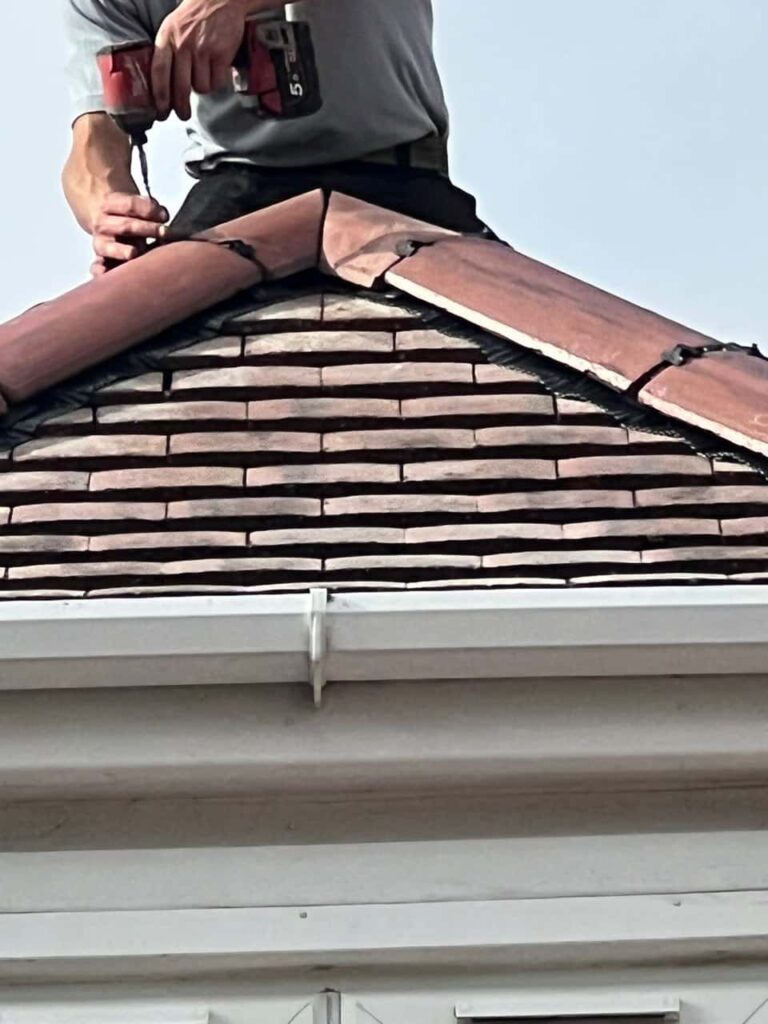
Roof tiles are designed to provide long-lasting protection, yet many homeowners eventually notice tiles becoming loose or slipping out of position. In Corsham, Wiltshire, this is a common issue on both older and relatively modern roofs. Tile slippage rarely happens suddenly. It is usually the result of gradual changes within the roof structure and the effects of long-term weather exposure.
At LJ Roofing Corsham, we regularly inspect roofs where tile movement has developed slowly but now poses a risk to the roof’s overall performance.
Natural Ageing of Fixings and Materials
Roof tiles rely on nails, clips or mechanical fixings to remain securely in place. Over time, these fixings can weaken. Timber battens may dry out or lose strength, while metal fixings can deteriorate after years of exposure to moisture and temperature changes.
As fixings lose their grip, tiles are no longer held as firmly as they once were. This allows gradual downward movement, particularly on pitched roofs where gravity constantly applies pressure.
Weather Exposure and Repeated Wind Stress
Roofs are continuously exposed to wind, rain and seasonal temperature changes. Strong winds can lift tiles slightly, and when this happens repeatedly over many years, tiles can begin to creep out of alignment.
In exposed areas around Corsham, fluctuating weather conditions can accelerate this process. Once a tile shifts even slightly, surrounding tiles may also become more vulnerable to movement.
Roof Structure Movement Over Time
All buildings experience a degree of natural movement as materials expand and contract with temperature and humidity. Roof structures are no exception. Timber frames can subtly shift, and this movement can affect how tiles sit on the battens.
Over time, this repeated movement can loosen fixings and reduce the stability of tiled sections, leading to gradual slippage rather than sudden failure.
Underlay and Batten Deterioration
The condition of the materials beneath the tiles plays a key role in keeping them secure. Older roofing underlay can become brittle or torn, while battens may weaken due to age or moisture exposure.
When battens lose strength, they may no longer hold nails firmly in place. This hidden deterioration often contributes to tile movement long before visible signs appear from ground level.
Impact and Minor Disturbances
Tiles can also slip due to minor disturbances that may go unnoticed at the time. Fallen branches, debris or previous access to the roof for maintenance work can disturb tile alignment.
While the initial movement may be small, it can create a weak point that worsens over time as the roof continues to weather.
Why Early Attention Matters
Slipped tiles reduce the roof’s ability to shed water effectively. Even small gaps can allow moisture to reach the underlay and roof timbers, increasing the risk of leaks and structural damage.
Addressing tile movement early helps maintain the integrity of the entire roofing system and prevents further slippage across larger sections of the roof.
Conclusion
Roof tiles slip over time due to a combination of ageing fixings, weather exposure, structural movement and deterioration of supporting materials. These changes are gradual and often hidden, which is why tile movement is commonly noticed only once it becomes more obvious.
If you have concerns about loose or slipping tiles, LJ Roofing Corsham provides professional roof inspections and repairs for properties in Corsham, Wiltshire. Timely assessment and repair help keep your roof secure, weather-resistant and performing as it should for years to come.
Call us on: 01249 479 061
Click here to find out more about LJ Roofing Corsham
Click here to complete our contact form and see how we can help with your roofing needs.