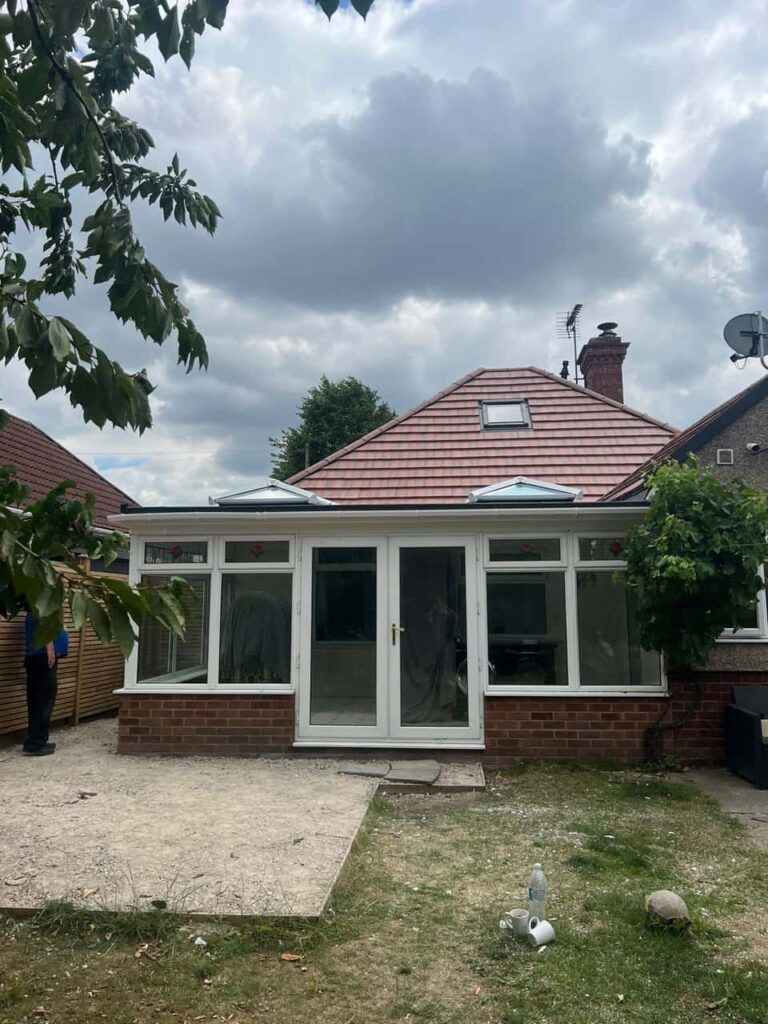
Most roofing problems do not automatically mean that a property needs a new roof. Slipped tiles, isolated leaks, damaged flashing and other localised defects can often be resolved effectively through professional repairs. However, there comes a stage in the life of some roofs when deterioration is no longer confined to individual areas. When several parts of the roofing system are beginning to fail together, full replacement can become the more appropriate long-term solution.
For homeowners in Corsham, Wiltshire, knowing the difference between a repairable roof and one that is becoming a good candidate for replacement can make roofing decisions much clearer. At LJ Roofing Corsham, we assess the condition of the complete roof before recommending the most suitable approach, ensuring any work addresses the actual cause and extent of the problem.
It Is the Overall Condition That Matters Most
A roof should not be recommended for replacement simply because it is old or because one problem has appeared. What matters is how well the complete roofing system is still performing.
An assessment should consider:
- The condition of tiles or slates
- The performance of the underlay
- The state of battens and supporting components
- Ridge and hip details
- Lead flashing and roof junctions
- Evidence of previous repairs
- Signs of recurring water ingress
When several of these areas show significant deterioration, replacement becomes more relevant.
1. Roofing Materials Are Deteriorating Across Large Areas
There is an important difference between replacing several damaged tiles and dealing with widespread deterioration.
If tiles or slates across multiple sections of the roof are becoming cracked, loose, weathered or unreliable, repairing individual pieces may only provide temporary relief from a much broader problem.
Widespread deterioration can indicate that the roof covering itself is approaching the end of its useful service life.
2. Repairs Are Becoming Increasingly Frequent
Every roof requires maintenance from time to time. A repair completed several years after the previous one is not necessarily a concern.
The situation changes when new problems begin appearing regularly.
A homeowner might experience:
- A leak in one section
- Slipped tiles elsewhere several months later
- Deteriorating flashing
- Loose ridge materials
- Further water ingress in another area
When this pattern continues, the roof may no longer have one isolated weakness. Instead, several components may be deteriorating simultaneously.
3. Roof Leaks Keep Returning
A recurring leak deserves careful investigation because water can enter the roof in one location and travel before becoming visible inside the property.
Repeated leaks may suggest problems involving:
- Ageing roof coverings
- Damaged underlay
- Failing flashing
- Vulnerable junctions
- Several points of water entry
If the roof continues leaking despite appropriate localised repairs, a wider assessment can determine whether deterioration has become extensive enough to justify replacement.
4. The Underlying Roofing System Is Deteriorating
The visible tiles or slates are only one part of a roof.
Beneath them, the underlay and battens perform important roles in supporting the covering and helping the roofing system manage moisture. These components can deteriorate even when the roof does not look particularly poor from ground level.
Where significant problems exist beneath otherwise ageing roof coverings, removing and replacing the complete system can provide an opportunity to renew several important elements together.
5. Previous Repairs Cover Much of the Roof
A history of repairs is not necessarily negative. In fact, timely maintenance can help roofs remain serviceable for considerably longer.
However, a roof containing numerous repaired areas can provide useful information about how it is ageing.
If patches and replacement materials are spread across several slopes and new defects continue to develop between them, the original roofing system may be progressively deteriorating.
At this stage, homeowners should consider the condition of the roof as a whole rather than focusing solely on the latest defect.
6. The Roof Is Struggling During Poor Weather
A serviceable roof should provide dependable protection throughout changing weather conditions.
If roofing problems repeatedly appear during periods of heavy rain or strong winds, there may be weaknesses that are becoming increasingly difficult to address individually.
Warning signs can include:
- Tiles regularly becoming displaced
- Leaks appearing during prolonged rainfall
- Movement around ridge areas
- Water entering around roof junctions
- Debris frequently coming away from ageing roofing materials
Repeated weather-related problems can indicate that the roof’s overall resilience has declined.
7. Different Components Are Failing at the Same Time
This is one of the strongest reasons to consider full replacement.
If one component has failed while everything else remains sound, targeted repair is often entirely appropriate. If tiles, underlay, battens, flashing and ridge details are all showing significant deterioration, repairing each area independently may no longer provide a cohesive long-term solution.
Replacement allows these elements to be considered together as one roofing system.
What Does Full Roof Replacement Achieve?
Full replacement is not simply a matter of exchanging old tiles for new ones.
Depending on the roof and its construction, the process provides an opportunity to renew important components and restore the roof as a complete protective system.
This can include:
- Removing worn roof coverings
- Inspecting the underlying structure
- Renewing appropriate supporting components
- Installing new underlay and battens
- Fitting the new tiles or slates
- Completing ridge and junction details
- Renewing necessary flashing
The result is a roofing system in which the different components have been installed to work together effectively.
When Is Repair Still the Better Option?
It is equally important to recognise when replacement is unnecessary.
An older roof may still be a perfectly good candidate for repair if:
- Damage is clearly localised
- Surrounding materials remain sound
- The underlying roofing system is in good condition
- Leaks have an identifiable repairable cause
- The roof has otherwise been performing reliably
Professional assessment should therefore never begin with the assumption that replacement is required.
Why a Thorough Roof Inspection Matters
Deciding whether to repair or replace a roof requires more than looking at it from ground level.
A professional inspection can establish:
How widespread the deterioration is
This helps distinguish an isolated defect from general roofing failure.
Whether hidden components are affected
Problems beneath the roof covering can significantly influence the appropriate solution.
Whether previous repairs remain effective
Older repairs can reveal how the roof has performed over time.
How much dependable service remains
The objective is to determine whether further repairs are likely to provide a worthwhile long-term result.
This information gives homeowners a much clearer basis for making decisions about their property.
The Importance of Professional Roof Replacement
When replacement is appropriate, installation quality becomes critical. A new roof should not simply look good when completed; it needs to perform reliably through years of changing weather.
Correct preparation, suitable materials, accurate installation and careful attention to vulnerable details all contribute to the lifespan of the completed roof.
At LJ Roofing Corsham, our focus is on delivering roofing work that addresses the complete needs of the property rather than relying on unnecessary short-term solutions.
Professional Roofing Services in Corsham
LJ Roofing Corsham provides professional roofing services throughout Corsham, Wiltshire, including roof inspections, repairs, maintenance, new roofs and complete roof replacements.
If your existing roof has begun requiring frequent attention or several areas appear to be deteriorating at the same time, a professional assessment can provide clarity. We can determine whether targeted repairs remain suitable or whether full replacement would provide more dependable long-term protection.
Conclusion
A roof becomes a good candidate for full replacement when deterioration is no longer limited to one repairable defect. Widespread material wear, recurring leaks, frequent repairs, deterioration beneath the roof covering and multiple components failing together can all indicate that the roofing system is approaching the stage where comprehensive renewal should be considered.
That does not mean every ageing or damaged roof needs replacing. Where the majority of the roofing system remains sound, professional repairs can still provide an effective solution.
For homeowners in Corsham, Wiltshire, the best decision starts with understanding the true condition of the complete roof. LJ Roofing Corsham can carry out a professional assessment, identify the extent of any deterioration and recommend whether repair or full roof replacement offers the most appropriate way to protect your home for the years ahead.
Call us on: 01249 479 061
Click here to find out more about LJ Roofing Corsham
Click here to complete our contact form and see how we can help with your roofing needs.