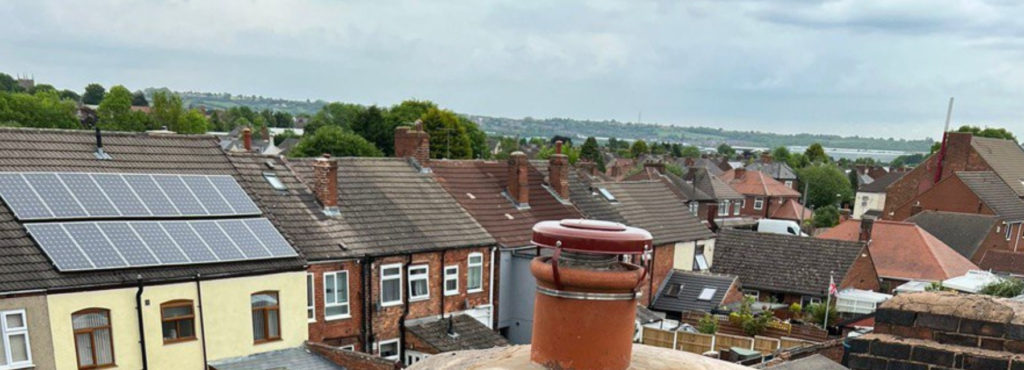
A roof tile does not need to be loose or visibly displaced to become damaged. Tiles can remain firmly seated while developing fine cracks, fractures around their fixings or weaknesses beneath overlapping sections. From ground level, the roof may therefore appear orderly even though its weather resistance has been reduced.
Understanding why secure-looking roof tiles crack can help property owners recognise the value of a professional inspection. The condition of each tile matters just as much as its position on the roof.
What Causes Secure Roof Tiles to Crack?
Roof tiles face continual exposure to moisture, changing temperatures, wind and natural movement within the building. Over time, these pressures can affect individual tiles without immediately moving them out of alignment.
Temperature Changes Create Repeated Stress
Roofing materials warm during sunny periods and cool when temperatures fall. This causes small cycles of expansion and contraction.
A sound tile is designed to tolerate normal weather changes, but an older, weakened or tightly fixed tile may eventually crack under repeated stress. The resulting fracture can be extremely fine and may only become noticeable when water begins to pass through it.
Moisture Can Enter Small Surface Defects
Tiles may contain tiny pores or hairline imperfections that absorb moisture. During cold conditions, retained water can expand and place pressure on the surrounding material.
Repeated wet and cold cycles can gradually enlarge an existing weakness. The tile may remain in its correct position throughout this process, making the damage difficult to identify without a close inspection.
Age and Weathering Weaken the Material
Years of exposure can gradually reduce the strength of roof tiles. Their surfaces may become more porous, edges may begin to erode and small defects can develop within the material.
Age alone does not confirm that a tile has failed, but weathered tiles may be less able to withstand impact, temperature changes and movement. Cracking can therefore occur even where the fixings and surrounding tiles remain secure.
Fixings Can Place Pressure on Tiles
Tiles need to be held securely without being placed under excessive stress. If a fixing is too tight, incorrectly positioned or affected by corrosion, pressure can build around the fixing point.
Cracks may then spread from the nail hole or fixing area while the tile remains attached to the roof. Because this section is often covered by the tile above, the damage may not be visible from outside.
Movement Beneath the Roof Covering
A roof naturally experiences small amounts of movement. Timber battens and structural components can respond to temperature, moisture and the normal settling of a building.
If a tile cannot accommodate this movement, stress may concentrate at one point and cause it to crack. Changes in the battens or uneven support beneath a tile can also create pressure across its surface.
This is why replacing a cracked tile without checking what supports it may not always resolve the underlying problem.
Impact Does Not Always Dislodge a Tile
Falling branches, debris and other impacts can fracture a tile without knocking it out of place. The overlap from neighbouring tiles may continue to hold the damaged section in position.
Careless foot traffic can have a similar effect. Stepping on an unsupported part of a tile may produce a crack that is difficult to see, particularly if it lies beneath an overlap.
Small Manufacturing Imperfections Can Develop Further
Occasionally, a tile may contain a minor weakness from its manufacture or handling. This might not cause an immediate problem, but prolonged weather exposure and repeated temperature changes can make the defect more pronounced.
A professional roofer can determine whether the damage appears isolated or whether similar tiles elsewhere on the roof show comparable deterioration.
Why a Secure Cracked Tile Still Matters
A cracked tile may continue to look properly aligned, but it can no longer provide the same continuous barrier against rainfall. Water may pass through the fracture and reach the underlay, battens or roof space below.
Possible signs include:
- Damp patches after prolonged rainfall
- Moisture or staining within the loft
- Small tile fragments in gutters or around the property
- A recurring leak with no missing tiles
- Surface cracks visible from a safe ground-level position
Water can travel away from the damaged tile before appearing indoors, so the internal symptom may not sit directly below the fault.
Why the Surrounding Area Should Be Checked
When one tile cracks, it is important to inspect neighbouring materials as well. The same weather exposure, movement or fixing issue may have affected more than one tile.
A suitable assessment should consider:
- The location and direction of the crack
- The condition of the tile’s fixings
- Whether the supporting batten is sound
- The state of surrounding tiles
- Any damage to the underlay
- Possible routes of water entry
- Signs of wider roof movement
This helps establish whether replacing one tile is sufficient or whether connected repairs are necessary.
Avoid Relying on Appearance Alone
A neat roofline does not guarantee that every tile is intact. Much of the fixing area is concealed, and small cracks can be difficult to see from ground level.
Attempting to inspect the roof by walking across it can create further damage. A professional roofer can examine the relevant sections safely and determine whether the tile has cracked because of impact, ageing, fixing pressure or movement beneath the covering.
Conclusion
Roof tiles can crack while remaining securely positioned because alignment and material condition are separate issues. Temperature changes, moisture, weathering, impact, fixing pressure and movement beneath the covering can all weaken a tile without causing it to slip.
Prompt assessment can identify the cause, check for related damage and prevent continued water entry. LJ Roofing Corsham provides professional roof inspections and repairs in Corsham, Wiltshire. If you suspect cracked tiles or have noticed an unexplained leak, contact the team to arrange an assessment.
Call us on: 01249 479 061
Click here to find out more about LJ Roofing Corsham
Click here to complete our contact form and see how we can help with your roofing needs.